


BIX ARTICLE
Global rate-hike cycle expected to be muted
Sep 21, 2026
|
5 min read
Featured Posts
Social Bonds Illustrative Use-Of-Proceeds Case Studies Coronavirus
Jul 06, 2020
|
2 min read
Sustainable Banking Network (SBN) Creating Green Bond Markets
Jul 06, 2020
|
2 min read
Why is Inflation Making a Big Comeback After Being Absent for Decades in the U.S.?
Mar 24, 2022
|
7 min read
SC issues Corporate Governance Strategic Priorities 2021-2023
Mar 29, 2022
|
3 min read
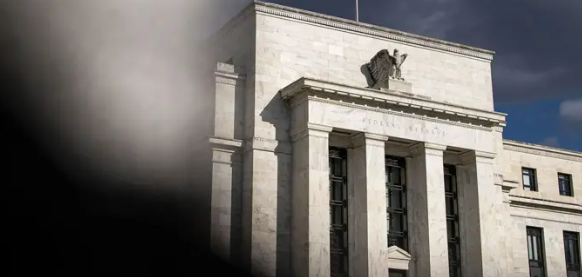
FRANKFURT: The prospect of a new global interest rate-tightening cycle is coming into view as some of the world’s top central banks raise rates and signal more may be needed to tame inflation fuelled by the Iran war.
Key rates are already much higher than the rock-bottom levels from the last hiking cycle that began in 2022.
But central bankers are under market pressure to show that they are prepared to raise them further to tame inflation expectations and rein in long-term bond yields at multi-decade highs.
The Bank of Japan (BoJ) became the latest big central bank to tighten last Friday, following rate increases by the US Federal Reserve (Fed) two days before and the European Central Bank (ECB) in the previous week.
The Bank of England (BoE) left rates unchanged last week but flagged that inflation pressures could require further action.
“Our policy phase has changed,” BoJ Governor Kazuo Ueda said as the bank signalled it was prepared to keep pushing up borrowing costs.
The moves, while formally independent of each other, reflect a shared concern among policymakers that higher oil and gas costs resulting from the Iran war raise the spectre of a new cost-of-living squeeze just a few years after the inflation surge that followed the Covid-19 pandemic.
The shift marks a stark contrast with the mood barely a month ago, notably after a short-lived pact between the United States and Iran that encouraged investors and policymakers to bet on easing hostilities and a retreat of energy prices.
The collapse of that agreement – and the recent Houthi advance along the Red Sea coast marking a new threat to global oil supplies – have changed the outlook significantly.
“The expectation now is that energy prices will stay elevated for longer,” ECB Vice President Boris Vujcic told Reuters in an interview published last Friday.
“If inflation remains high through the autumn and affects household incomes and consumer behaviour, that will also have a dampening impact on gross domestic product,” he added, saying that future calls would be made on a “meeting by meeting” basis.
Two sources told Reuters last week that further tightening was now on the cards.
While a hike at the next meeting in October could be in play, a move in December – which would be the ECB’s third hike this year – is more likely.
“The peak in rates is uncomfortably dependent on events in the Middle East; a hike above 3% cannot be ruled out entirely,” said Greg Fuzesi at JPMorgan.
Defying the very public demands of US President Donald Trump for a cut in rates, new US central bank chief Kevin Warsh joined his Fed colleagues in a move to raise rates last Wednesday.
In his post-meeting press conference, he noted he would be “hard-pressed to describe broad financial conditions as restrictive”, a formulation that counters the argument that monetary policy is hurting the economy.
The Fed’s unanimous decision to raise rates, coupled with Warsh’s comments, were seen as laying the groundwork for further tightening and helped reassure investors about the central bank’s commitment to fighting inflation.
“The Fed has regained some credibility after raising rates,” said Andrew Lake, chief investment officer at Mirabaud Asset Management.
Updated quarterly economic projections showed 16 of 18 policymakers anticipate at least one more quarter-percentage-point hike by the end of this year.
“Our inflation problem is not just about energy,” Kansas City Fed president Jeff Schmid said last Friday.
Compared with the last round, the current global central bank tightening cycle is expected to be far more muted – chiefly because inflation is not rising as sharply.
Fed projections released last Wednesday show even the most hawkish US central bankers expect a 4.25%-4.5% policy rate range by the end of 2027, only half a percentage point higher than now, and to drop after that.
In 2022-2023, the Fed raised the policy rate by 5.25 percentage points, topping it out in the 5.25%-5.5% range.
Even as it held rates, the BoE said that they might have to go up if the war continues in a commentary interpreted by observers as a clear shift in tone that positions the central bank to follow the Fed and ECB higher.
“The longer this goes on, the more difficult this becomes,” said Governor Andrew Bailey, one of three members of the bank’s Monetary Policy Committee who signalled they could back a rise, after he voted to hold at this meeting.
Some analysts said they expected the BoE to raise rates only once. But financial markets after the meeting were pricing almost four quarter-point hikes over the next year. — Reuters
Disclaimer
YOU MAY ALSO LIKE

ARTICLE
Oct 09, 2026
|
4 min read
ARTICLE
Oct 07, 2026
|
3 min read
ARTICLE
Oct 01, 2026
|
5 min read
ARTICLE
Sep 29, 2026
|
6 min read